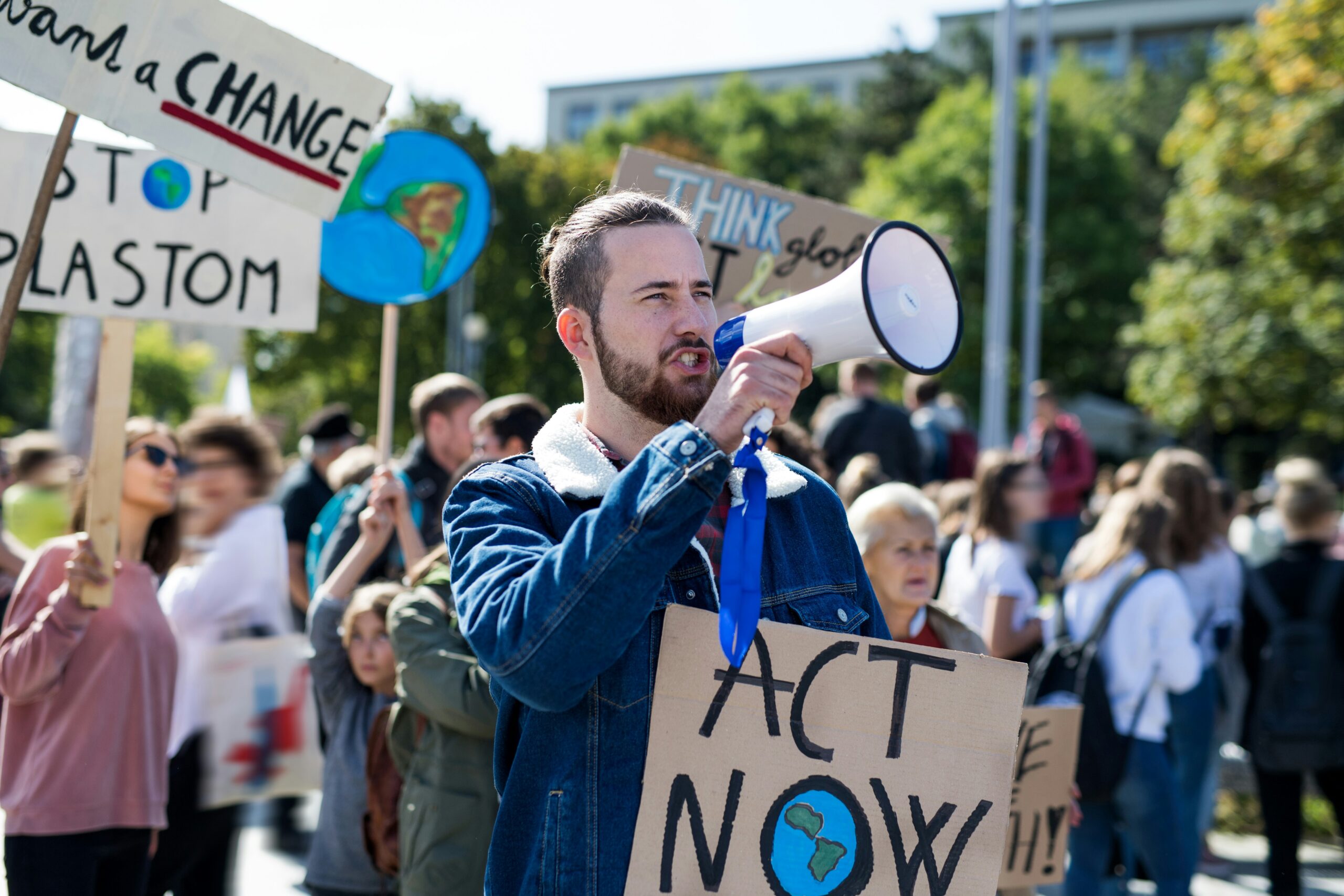
In every corner of the world, people yearn for justice, equity, and meaningful change. Advocacy and activism are vital tools that amplify the voices of those seeking a better future. When citizens come together to support a cause, they can influence policies, challenge injustices, and strengthen the fabric of society.
From grassroots movements to global campaigns, advocacy and activism have always played a key role in shaping social norms and political landscapes. These efforts empower individuals to take ownership of their communities and contribute toward a collective goal of justice and progress.
Understanding the Core of Advocacy and Activism
At their essence, advocacy and activism are tools for change. Advocacy involves championing a cause or pushing for reforms, often through policy influence, education, or dialogue. Activism, on the other hand, is more action-driven. It includes protests, campaigns, and various efforts to raise awareness of pressing issues.
Both practices stem from a desire to improve conditions, whether related to human rights, environmental protection, education, or public health. While different in approach, advocacy and activism complement each other in creating pathways for societal transformation.
Strengthening Communities Through Participation
When people engage in advocacy and activism, they not only challenge harmful systems but also build community resilience. Participating in these efforts creates a sense of solidarity and mutual purpose. It brings together individuals from diverse backgrounds who share a common vision for change.
This shared involvement often leads to long-term collaboration and stronger civic bonds. Community members become more aware of local issues and are better equipped to support each other through social or political challenges. In this way, activism becomes a powerful community-building tool.
Amplifying Marginalized Voices
One of the most critical functions of advocacy is to uplift those whose voices are often ignored. Activism brings marginalized communities into the public conversation, shining a light on their experiences and demands. Whether through grassroots organizing or digital platforms, people can now reach a wider audience and gain the attention their causes need.
This inclusion not only fosters a more just society but also improves decision-making. When policies reflect the needs of all communities, especially those historically silenced, they become more equitable and effective. Advocacy ensures that no one is left behind in the fight for justice.
Shaping Policy and Driving Legal Change
Advocacy and activism have a proven track record of influencing public policy and legislation. From the Civil Rights Movement in the United States to environmental regulations introduced through climate campaigns, history shows that sustained public pressure can lead to significant legal outcomes.
Activists often work alongside lawmakers, experts, and organizations to craft policies that reflect community needs. Advocacy groups conduct research, host public forums, and submit proposals to push legislative change. These coordinated efforts can reshape entire systems and ensure that laws protect human dignity and freedom.
The Role of Education in Advocacy
Knowledge is a powerful tool in any movement for change. Educating communities about their rights, opportunities for participation, and social issues enhances the impact of advocacy and activism. Awareness campaigns, workshops, and informational resources help individuals make informed decisions and take strategic action.
Education also nurtures future advocates and leaders. When young people are taught the value of civic engagement, they are more likely to carry forward the mission of justice. Empowering individuals through education strengthens the foundation for long-term societal change.
Digital Platforms and Modern-Day Movements
In today’s digital age, social media and online tools have revolutionized the way advocacy and activism operate. Movements that once took years to gain traction can now reach millions within days. Hashtags, viral videos, and virtual campaigns bring issues to light and rally support globally.
Digital platforms also provide safer, more accessible spaces for engagement. People who might be unable to participate in physical protests due to distance or risk can still contribute through online petitions, fundraisers, or educational content. This shift has democratized activism and expanded its reach.
Overcoming Challenges in Advocacy Work
Despite their impact, advocacy and activism often face obstacles. Resistance from powerful institutions, limited resources, and public apathy can hinder progress. Advocates must navigate political opposition and social pushback, usually while managing the emotional toll of sustained efforts.
To overcome these challenges, movements must remain adaptive and collaborative. Building alliances, using data-driven strategies, and practicing self-care are essential for long-term success. Effective advocacy balances passion with planning, ensuring that every effort is strategic and sustainable.
Promoting Inclusivity and Intersectionality
For advocacy to be truly transformative, it must embrace inclusivity and intersectionality. This means recognizing how different identities—such as race, gender, class, and ability—intersect to shape people’s experiences. Movements that center diverse voices are better positioned to understand and address complex social issues.
Inclusive activism not only broadens a movement’s reach but also fosters empathy and unity. When people see their identities and concerns represented, they feel more invested in the cause. This inclusive approach leads to richer dialogue, more innovative solutions, and more decisive collective action.
Inspiring the Next Generation
Sustaining momentum requires passing the torch to younger generations. Youth engagement in advocacy is not only inspiring but also essential. Young people bring fresh perspectives, creativity, and a deep understanding of current social dynamics. Their involvement ensures that movements remain relevant and forward-looking.
Mentorship, youth-led initiatives, and intergenerational collaboration are key to cultivating lifelong advocates. When young voices are nurtured and respected, they grow into leaders who carry forward the mission of building a more equitable world. Supporting youth in advocacy benefits society at large.
A Shared Responsibility
Building a stronger society through advocacy and activism is a shared responsibility. It requires collective effort, unwavering commitment, and an unshakable belief in the power of community. Whether through small acts or large-scale movements, every contribution matters.
As citizens, we must continue to raise our voices, support each other, and push for the change we wish to see. Through empathy, education, and persistent action, we can create a society that reflects the values of justice, equality, and human dignity for all.