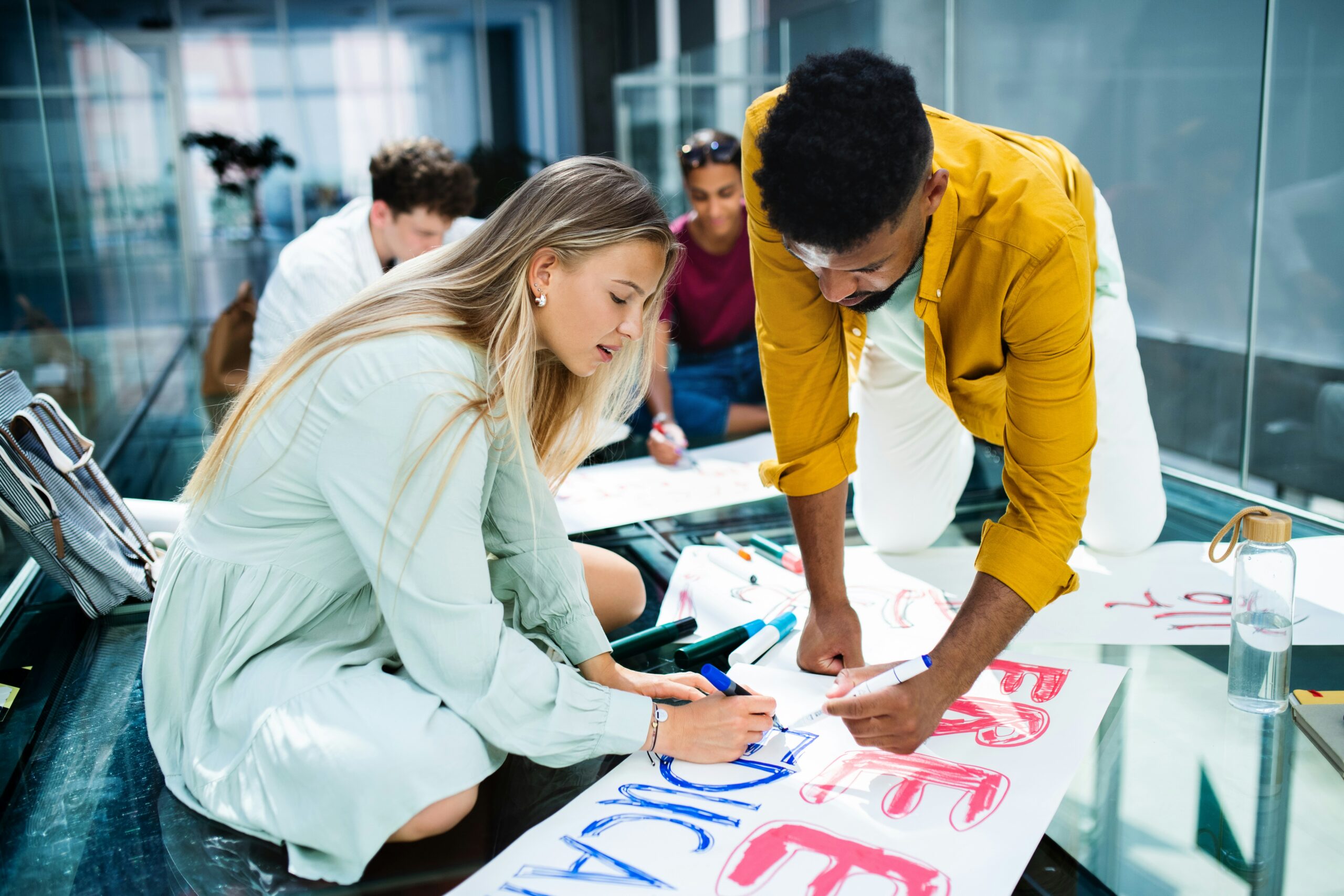
Students play a key role in social change because they bring energy and purpose to every movement. They respond to injustice with urgency. They challenge outdated systems and push new ideas into public debate. Their voice grows stronger as global issues gain visibility. Many communities view students as essential drivers of progress.
Student Activism and Youth Leadership in Social Change
Student activism shapes public conversations. It inspires people to rethink priorities. Many movements grow because young leaders speak up. Their messages spread fast because they work in groups. They use digital tools to share ideas and unite peers around shared values. They build networks that connect diverse communities.
Youth leadership strengthens this activism. Students organize events. They develop communication skills. They manage online campaigns. These skills help them drive meaningful change. They motivate others to take action. Their leadership raises awareness across many groups.
Young Changemakers and Their Influence on Society
Young changemakers influence society through fresh perspectives. They question norms that many accept. They push for long-term solutions. Their ideas focus on sustainability, fairness, and equal access.
Students understand digital culture. They spread information with creativity. They use tools that reach global audiences. Their communication strategies strengthen movements.
They also understand local issues. They face rising costs, inequality, and limited resources. Their experiences shape their advocacy. Their insights help leaders form better policies.
Civic Participation and the Role of Students in Society
Civic participation empowers students. They vote in elections, join community groups, and attend local meetings. They also volunteer for nonprofit organizations. These activities build civic responsibility. They also teach students how public systems function.
Students defend rights through civic engagement. They protect equal opportunities. Their actions support strong communities. Their work improves public institutions.
Students also create spaces for open dialogue. They hold forums on equity. Also, they host workshops on climate issues and invite speakers to address community needs. These activities support collective learning.
Students in Social Justice Movements
Students strengthen social justice movements. They march in peaceful demonstrations. They write petitions and use digital platforms to elevate marginalized voices. Their work draws media attention. Their actions push leaders to respond.
Students support racial equity, climate protection, gender rights, disability inclusion, and mental health awareness. Their work promotes fairness. Their actions inspire progress in schools and communities.
Many movements begin on campuses. Students gather to discuss issues. They present solutions. Organized environments support growth. The campus setting also offers resources, guidance, and public visibility.
Education as a Foundation for Student-Led Social Change
Education strengthens informed citizens. Students learn history. They study how systems evolve. They build critical-thinking skills. Knowledge helps them analyze social challenges. They use research to design solutions.
Classrooms support discussion. Students debate with respect. They explore global issues. They review social trends. This environment helps them develop leadership.
Students also engage in service projects. They support local groups. They raise funds. These projects connect classroom learning with real needs. Education promotes social responsibility.
Innovation and Creative Problem-Solving by Students
Students introduce innovation into social change. They explore new tools, design apps, create videos, and develop campaigns. Creative problem-solving strengthens activism.
Innovation helps them reach global audiences. They connect with others in real time. They join international conversations. Collaboration broadens the impact of their ideas.
Students also contribute solutions for environmental challenges. They form sustainability clubs. They design recycling programs. Also, they promote clean energy. Their innovation shapes policy discussions.
Collaboration and Collective Impact Within Student Communities
Collaboration strengthens student-led movements. Students plan events together. They combine strengths. Some write. Some speak. Others manage logistics. Teamwork creates collective impact.
Students form partnerships with nonprofits. They join coalitions. These alliances expand their reach. They learn from experts. Collective impact produces stronger outcomes.
Peer support also plays a key role. Students motivate one another. They share resources. They celebrate progress. Supportive communities maintain momentum.
Long-Term Influence of Student-Led Social Change
Student-led efforts influence society for decades. Many student activists become long-term advocates. They enter professional fields. They carry their values into workplaces. Their influence shapes policies and norms.
Many leaders began their work as students. They learned how to organize. They practiced public speaking, and they studied issues deeply. Early experiences guided their careers.
Communities preserve these movements. They document events and celebrate achievements. They also build on past efforts. Each generation of students benefits from earlier progress.
Why Students Remain Essential Forces for Change
Students remain essential forces for change because they offer courage, resilience, and vision. They act with purpose and challenge outdated ideas. They promote fairness and bring new energy to public debates.
Every era faces new challenges. Students provide clarity and direction. Their commitment strengthens social foundations. Their efforts support a better future for everyone.